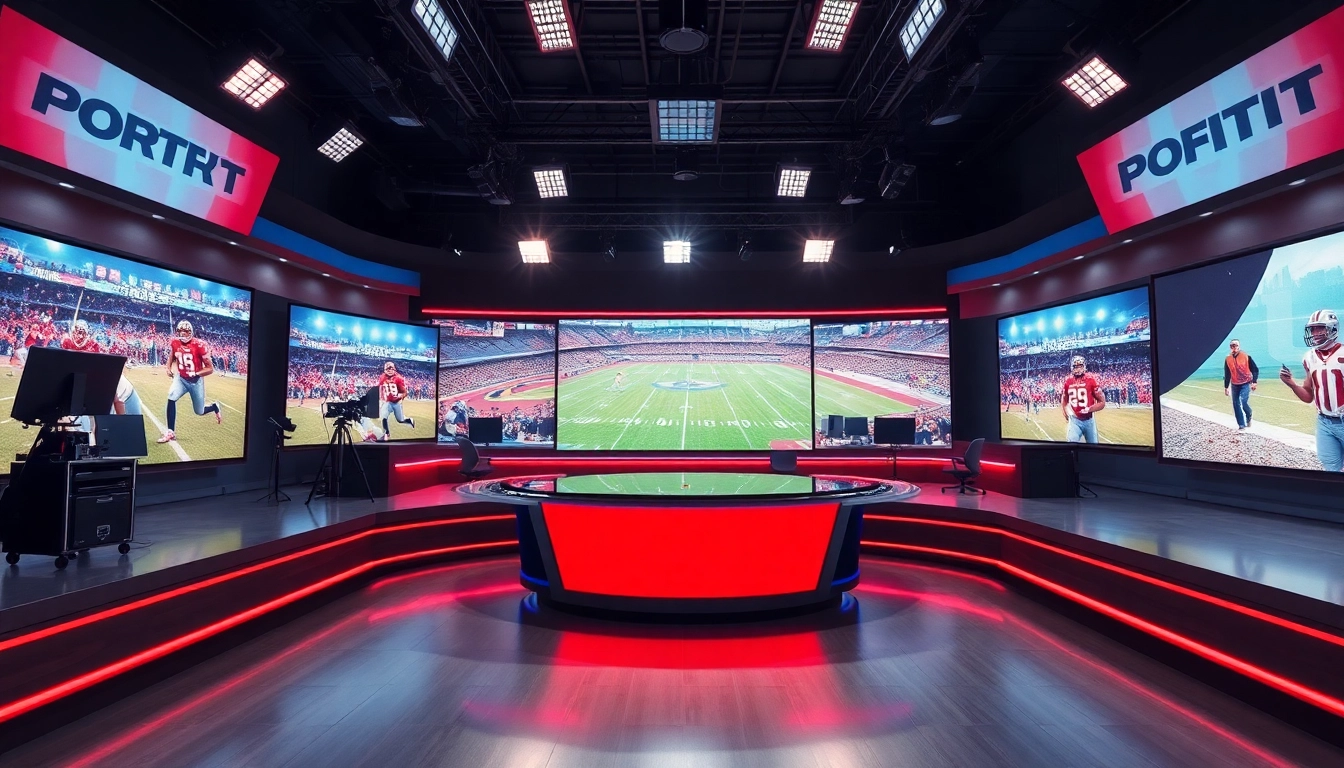
Understanding Sports Broadcasting
What is Sports Broadcasting?
Sports broadcasting refers to the live coverage and commentary of sporting events via various media platforms, including television, radio, and online streaming services. It encompasses a wide range of activities, from providing live coverage of the events to delivering insightful analysis and commentary that enhances viewer engagement. An example of its significance can be found in how it shapes the experiences of millions of fans around the world. The proliferation of Sports Broadcasting has created new opportunities for interaction between sports, fans, and media.
History and Evolution of Sports Broadcasting
The history of sports broadcasting dates back to the early 20th century when radio became a popular medium. The first-ever live radio broadcast of a sports event occurred in 1921, when a boxing match between Johnny Dundee and Johnny Ray was aired. The transition from radio to television in the mid-20th century revolutionized sports coverage. Landmark events, such as the 1936 Berlin Olympics, showcased the potential of television, while advancements in technology over the decades, including satellite transmissions and high-definition broadcasts, have enhanced the accessibility and quality of sports broadcasting, ensuring its place as a vital component of popular culture.
Importance of Sports Broadcasting in Today’s Media
Today, sports broadcasting plays a crucial role in the media landscape, driving viewership, advertising revenues, and the overall popularity of sports. It serves as a platform for storytelling, uniting fans around shared passions, and creating a sense of community. The impact of sports broadcasts can be seen in increased viewership numbers for major events like the Super Bowl or FIFA World Cup, where millions tune in to watch their favorite teams compete. Additionally, the rise of digital media has also transformed viewer habits, emphasizing the need for comprehensive and engaging coverage.
Key Techniques in Sports Broadcasting
Live Coverage and Real-time Updates
One of the hallmarks of successful sports broadcasting is providing real-time updates and live coverage of events. This requires broadcasters to be well-prepared, knowledgeable, and agile in their reporting. Utilizing multiple camera angles, in-depth analyses, and instant replays enhances the viewing experience and maintains audience interest. For example, platforms like ESPN and Fox Sports have mastered the art of live broadcasting through dedicated teams that work around the clock to provide viewers with the most current and accurate information.
Interviewing Techniques for Athletes and Coaches
Interviews are a fundamental aspect of sports broadcasting, offering insights that enhance narratives. Broadcasters need to employ effective interviewing techniques to elicit compelling responses from athletes and coaches. This can involve asking open-ended questions that encourage elaboration or employing a conversational style that puts the interviewee at ease. Successful interviews often reveal personal stories or behind-the-scenes perspectives that resonate with viewers and contribute to the overall excitement of the sporting event.
Utilizing Social Media in Sports Broadcasting
In the digital age, integrating social media into sports broadcasting has become essential. Platforms like Twitter, Facebook, and Instagram provide broadcasters with the means to engage with fans directly, share instant updates, and create buzz around events. For instance, live tweeting during games, sharing highlight reels, or conducting polls can significantly enhance viewer interaction. The increasing influence of social media also prompts broadcasters to adapt their strategies, catering content to diverse audiences that consume sports differently.
Best Practices for Content Creation in Sports Broadcasting
Understanding Your Audience
One of the most critical elements in sports broadcasting content creation is understanding the audience. Broadcasters must discern the preferences, interests, and demographics of their viewers to develop relevant and engaging content. Conducting surveys, analyzing social media engagement, and reviewing viewership statistics can provide valuable insights into what type of content resonates most. Tailoring content to target specific audience segments can lead to increased viewer loyalty and engagement.
Creating Engaging Storylines for Events
Sports are more than just games; they are stories waiting to be told. Creating engaging storylines helps viewers connect emotionally with the events. Broadcasters should focus on highlighting rivalries, underdog stories, and personal athlete narratives. A powerful example is the way broadcasters showcased the journey of athletes during the Tokyo Olympics, focusing on their struggles and triumphs. These story arcs captivate viewers, making the sporting event more memorable and impactful.
Technical Quality Standards and Equipment
Technical quality is paramount in sports broadcasting. High-definition video, superior sound quality, and reliable broadcasting equipment can significantly enhance the viewer experience. From cameras and microphones to editing software, every component plays a vital role in delivering content that meets audience expectations. Regular maintenance of equipment and updates to technology ensure that broadcasters can provide the best possible viewing experience.
Challenges Faced in Sports Broadcasting
Dealing with Technical Glitches
Technical glitches are among the most significant challenges in sports broadcasting. Issues such as poor transmission signals, equipment malfunctions, or software crashes can disrupt a live broadcast, greatly affecting viewer experience. To mitigate these risks, broadcasters must invest in quality equipment, implement thorough testing procedures before events, and have contingency plans in place to address potential issues promptly. Training staff to troubleshoot common problems can also reduce downtime during critical moments.
Maintaining Viewer Engagement
In an era where audiences are inundated with content, maintaining viewer engagement is an ongoing challenge. Broadcasters must continually innovate and diversify their offerings to keep viewers interested. Strategies may include interactive segments, fan polls, or social media engagement during broadcasts. Regularly analyzing audience feedback and viewership data enables broadcasters to refine their strategies and adapt to changing viewer preferences.
Ethical Considerations in Sports Reporting
Ethics play a crucial role in sports broadcasting, guiding how journalists report on events and athletes. Issues such as fairness, accuracy, and respect for privacy are paramount. Broadcasters must strive to avoid sensationalism and conflicts of interest while upholding their responsibility to report truthfully. Establishing clear ethical guidelines and providing training on these standards can help mitigate potential ethical dilemmas in sports journalism.
The Future of Sports Broadcasting
Emerging Technologies Impacting Sports Broadcasting
The future of sports broadcasting will be significantly shaped by emerging technologies. Innovations such as augmented reality (AR), virtual reality (VR), and artificial intelligence (AI) are set to revolutionize how fans experience sports. For instance, VR provides immersive experiences that can make fans feel as though they are part of the action. Similarly, AI can assist broadcasters in analyzing vast amounts of data to provide enhanced commentary and insights during events.
Changes in Viewer Behavior and Preferences
Changing viewer habits are prompting broadcasters to reassess their content strategies. Younger audiences often prefer on-demand content, driving the need for flexible broadcasting options. Additionally, trends show that viewers are increasingly seeking shorter, more engaging content that fits their lifestyles. Adaptability to these preferences is essential, as failing to do so could result in a loss of viewership and potential revenue.
Opportunities for Growth in Sports Broadcasting
Despite the challenges, numerous opportunities for growth exist within sports broadcasting. The expansion of global streaming services, growth in esports, and advances in mobile broadcasting present new avenues for reaching audiences. Broadcasters can capitalize on these trends by diversifying their content offerings, exploring new platforms, and developing partnerships with technology companies to enhance their reach and impact.
Frequently Asked Questions
What is the role of sports broadcasting?
Sports broadcasting’s role is to provide live coverage, insightful analysis, and commentary of sporting events across various media outlets, enhancing viewer engagement.
How has technology changed sports broadcasting?
Technology has transformed sports broadcasting through high-definition broadcasts, live streaming, instant replays, and social media integration, enhancing overall viewer experience.
What are the key challenges in sports broadcasting?
Key challenges include technical glitches, maintaining viewer engagement, and addressing ethical considerations, all of which require proactive management strategies.
Why is understanding the audience important?
Understanding the audience is crucial for creating relevant content, enhancing engagement, and fostering viewer loyalty in a competitive media landscape.
What future trends should broadcasters watch for?
Future trends include the rise of virtual reality, changes in viewer behavior towards on-demand content, and opportunities in global streaming and esports broadcasting.