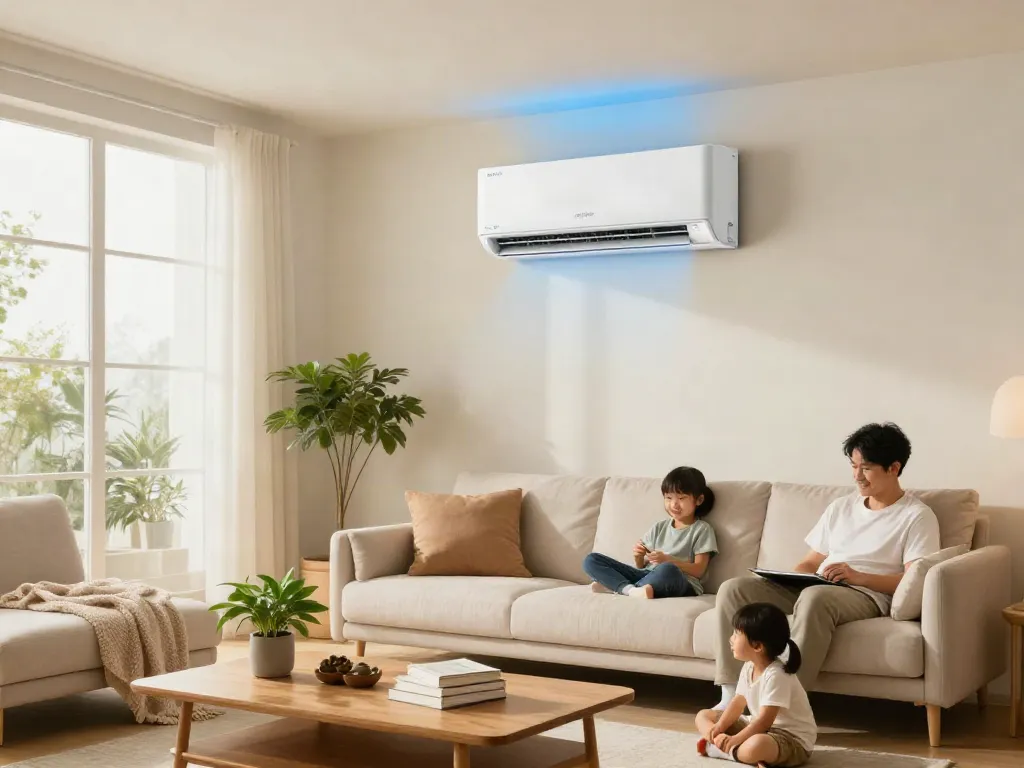
Understanding the 24000 BTU Mini Split Air Conditioner
The 24000 btu mini split air conditioner is increasingly becoming the go-to solution for homeowners and businesses looking to efficiently cool or heat large spaces. These versatile systems combine advanced technology with energy efficiency, making them ideal for a variety of applications from homes to commercial settings. In this article, we will explore the ins and outs of mini split air conditioners, specifically focusing on the benefits and features of 24000 BTU units.
What is a Mini Split Air Conditioner?
A mini split air conditioner is a type of ductless HVAC system that consists of two main components: an outdoor compressor and one or more indoor air handling units. Unlike traditional central air conditioning systems that rely on ductwork to distribute cooled air throughout a space, mini splits offer direct cooling or heating to specific areas, providing increased efficiency and flexibility. This makes them particularly advantageous in homes with limited ductwork or for those looking to add climate control to specific rooms.
Key Features of 24000 BTU Units
24000 BTU mini split systems are designed to cool spaces of up to 1500 square feet, making them suitable for larger rooms or open floor plans. Some key features include:
- Energy Efficiency: Most 24000 BTU mini splits come with high SEER (Seasonal Energy Efficiency Ratio) ratings, often exceeding 20, which translates to lower energy bills and a reduced environmental footprint.
- Heating Capabilities: Many models also function as heat pumps, providing both heating and cooling solutions, which is especially useful in temperate climates.
- Quiet Operation: Mini splits are typically quieter than traditional systems, thanks to their inverter technology that allows for variable speed operation.
- Flexible Installation: Because they don’t require ductwork, mini splits can be installed in various configurations, and the indoor units can be wall-mounted, ceiling-mounted, or even floor-mounted.
Benefits of Mini Splits for Large Spaces
When it comes to cooling or heating larger spaces, 24000 BTU mini splits offer several advantages:
- Customizable Comfort: With multiple zones possible, users can set different temperatures in different areas, ensuring comfort throughout the space.
- Energy Savings: Mini splits use inverter technology, adjusting their output based on the demand, leading to significant energy savings compared to traditional systems.
- Improved Air Quality: Ductless systems reduce the amount of dust and allergens circulated through your home, leading to cleaner and healthier indoor air quality.
- Space-saving Design: The installation of indoor units does not require bulky ductwork, freeing up more space within the home.
Choosing the Right 24000 BTU Mini Split for Your Home
When selecting a 24000 BTU mini split air conditioner, there are several factors to keep in mind to ensure you make the right choice for your needs.
Factors to Consider Before Buying
- Room Size: Consider the dimensions of the space you intend to cool or heat. 24000 BTUs are suitable for areas of up to 1500 square feet, but if your space is smaller, a lower BTU unit may be more cost-effective.
- Climate: Your local climate can influence the type of mini split you choose. Look for a unit that efficiently handles both heating and cooling, particularly if you live in an area with extreme temperature variations.
- Installation Type: Decide whether you will be installing the unit yourself or hiring a professional. While DIY installations can save money, improper installation can lead to inefficiencies and void warranties.
- Budget: Determine your budget not only for the initial purchase but also for installation and long-term operational costs.
Comparing Top Brands and Models
When it comes to purchasing a 24000 BTU mini split air conditioner, you have several reputable brands to choose from. Some of the leading brands in this category include:
- Mitsubishi: Known for their reliability and advanced technology, Mitsubishi mini splits are often on the higher end of the price spectrum.
- LG: LG offers a range of stylish and energy-efficient models that are highly rated for performance and design.
- MRCOOL: This brand provides budget-friendly options with user-friendly features such as Wi-Fi connectivity.
- Costway: Costway mini splits are popular for their balance of performance and affordability, appealing to homeowners looking for quality without breaking the bank.
Energy Efficiency Ratings Explained
Energy efficiency is a crucial aspect of choosing a mini split air conditioner. The SEER rating indicates how efficiently a unit operates during the cooling season. A higher SEER rating signifies better energy efficiency. As of 2026, systems with SEER ratings of 20 or higher are considered excellent, providing substantial cost savings over their lifespan.
Installation Guide for 24000 BTU Mini Split Air Conditioners
Installing a 24000 BTU mini split can be a straightforward process, but understanding the requirements is essential for optimal performance.
DIY vs. Professional Installation
While many homeowners feel comfortable tackling a DIY installation, it is crucial to weigh the pros and cons. Professional installation ensures that the system is properly set up, which can enhance efficiency and prolong the unit's lifespan. On the other hand, DIY installation can save money, provided you are comfortable with technical tasks.
Step-by-Step Installation Process
- Choose the Location: Select optimal locations for both the indoor and outdoor units.
- Mount the Indoor Unit: Secure the mounting bracket and attach the indoor unit.
- Install the Outdoor Unit: Position the outdoor compressor on a stable surface away from direct sunlight and debris.
- Connect the Pipes: Run refrigerant lines and electrical wiring between the indoor and outdoor units.
- Test the System: Once everything is connected, power on the system and check for leaks before sealing up any openings.
Common Installation Mistakes to Avoid
To ensure a successful installation, be mindful of these common mistakes:
- Improper Sizing: Installing a unit that’s too large or too small can lead to inefficiencies and discomfort.
- Poor Placement: Avoid placing units in areas with obstructions or excessive sunlight that can hinder performance.
- Incorrect Wiring: Ensure all electrical connections are correct to prevent malfunctions.
- Neglecting Maintenance Access: Make sure to leave enough space around the unit for maintenance and repairs.
Maintaining Your 24000 BTU Mini Split Air Conditioner
Proper maintenance is essential for keeping your mini split air conditioner running efficiently and extending its lifespan.
Regular Maintenance Tips for Longevity
- Clean or Replace Filters: Regularly check and clean or replace the air filters to maintain airflow and efficiency.
- Inspect for Leaks: Periodically check the refrigerant lines and connections for leaks, which can reduce efficiency.
- Schedule Annual Service: Consider having a professional perform an annual maintenance check to ensure every component is functioning correctly.
- Clean the Outdoor Unit: Keep the outdoor compressor clear of debris and dirt to promote optimal airflow.
Troubleshooting Common Issues
Even with regular maintenance, issues can arise. Here are common problems and their solutions:
- Unit Not Cooling: Check if the filters are dirty or if the refrigerant levels are low.
- Strange Noises: Noises can indicate loose parts or debris in the fan; ensure the unit is clean and secure.
- Water Leakage: This may signify a blocked drain line; inspect and clear any blockages.
Seasonal Preparation for Optimal Performance
As seasons change, preparing your mini split is essential:
- Before Summer: Ensure the system is cleaned and checked for refrigerant levels to handle the increased demand.
- Before Winter: If your system has heating capabilities, check the heating function and clean filters for improved performance.
Future Trends in Mini Split Air Conditioning for 2026
The HVAC industry is continuously evolving, and mini split systems are no exception. Here are some future trends to watch for in 2026:
Innovations in Energy Efficiency Technology
As environmental concerns rise, manufacturers are developing even more energy-efficient models, potentially achieving SEER ratings above 30 through advanced inverter technology and dual-stage compressors.
Smart Home Integration Features
Expect to see greater integration with smart home systems, allowing users to control their mini splits remotely through smartphone apps, voice commands, and smart home hubs.
Environmental Considerations and Sustainable Practices
With a push towards sustainability, manufacturers are exploring refrigerants with lower global warming potential and implementing recycling programs for old units.
How do I choose the right size mini split for my space?
The right size depends on the area to be cooled or heated. Generally, a 24000 BTU is suitable for up to 1500 square feet, but factors like insulation and ceiling height can affect performance.
What maintenance is required for a mini split air conditioner?
Regular maintenance involves cleaning or replacing filters, checking refrigerant levels, and scheduling annual professional check-ups to ensure optimal performance.
Can a 24000 BTU mini split cool multiple rooms?
Yes, if you have a multi-zone system with several indoor units, a 24000 BTU mini split can efficiently cool multiple rooms simultaneously.
What is the average cost of a 24000 BTU mini split air conditioner?
The cost typically ranges from $2,000 to $4,500, including installation, depending on the brand and specific features. Factors such as local installation costs can further influence the price.
How does a mini split compare to traditional HVAC systems?
Mini splits are often more energy-efficient and customizable than traditional HVAC systems, which require ductwork and have less flexibility in temperature control across different zones.